
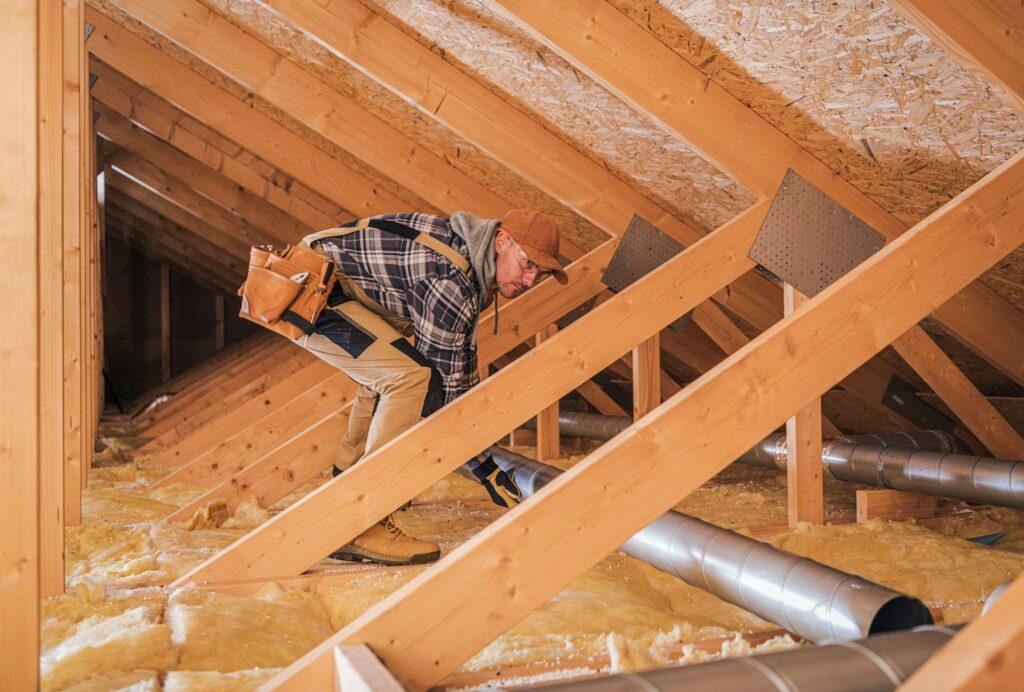
A Cold Snap Can Reveal Hidden Comfort Problems
The first sharp drop in temperature can reveal comfort problems that were easy to miss during late summer. A room that felt fine a few weeks ago may suddenly feel chilly, especially upstairs. Your furnace may run longer, yet some parts of the house still do not feel warm enough.
At 1 American Smart Energy, we often find that the heating system is not the only reason for these changes. Small openings in the attic can allow heated indoor air to escape once there is a larger difference between indoor and outdoor temperatures. Gaps near attic access points, wiring holes, plumbing openings, recessed lights, and wall cavities can all affect comfort.
Turning up the thermostat may warm the house for a while, but it does not stop the heat from leaving. That can lead to higher energy use without fixing the source of the problem. Early fall is a smart time to notice these warning signs, before freezing weather, snow, and busy winter schedules make improvement projects harder to plan.
Why Warm Air Moves Toward the Attic
A home can act a little like a chimney during cold weather. Warm air naturally rises through the living spaces and moves toward the attic. When there are gaps at the top of the home, that warm air can slip into the attic or outdoors.
As air leaves through upper leaks, colder outdoor air can be pulled in through lower openings. This is called the stack effect. It can make the lower level feel drafty while heat is being lost near the roofline. We often see this pattern create uneven temperatures from one floor to another.
Common hidden leak areas may include:
- Attic hatches and pull-down stairs
- Open wall cavities and dropped soffits
- Plumbing vent openings and electrical penetrations
- Duct chases and gaps around recessed lighting fixtures
- Openings near exhaust vents and other attic penetrations
Many of these areas are covered by insulation, so they are not always easy to spot. Insulation helps slow heat transfer, but it does not always stop moving air. An attic may look insulated from a quick glance and still allow heated air to escape through unsealed gaps underneath.
Signs Your Attic May Be Letting Heat Escape
You do not need to wait for a major Michigan winter storm to notice possible attic leakage. Changes in comfort during the first cold snap can be useful clues. If one room is always colder than the rest of the house, the problem may involve air movement rather than furnace performance alone.
Pay attention to symptoms such as:
- Cold upstairs bedrooms or bathrooms
- Noticeable temperature differences between floors
- Drafts near interior walls, doors, or lower-level rooms
- Chilly bathroom floors
- Rooms that never seem to reach the thermostat setting
The attic itself may also show signs that deserve a closer look. Dirty insulation around a gap can indicate that air has been moving through that area. During freezing conditions, frost on attic surfaces or moisture stains may point to warm, humid indoor air reaching a cold attic space. Insulation that looks thin, uneven, compressed, or disturbed can also leave parts of the home less protected from outdoor temperatures.
For attic air sealing in Detroit, Michigan, we recommend a professional assessment instead of relying only on how much insulation is visible. A home energy evaluation can help identify hidden leakage paths and clarify which improvements make the most sense for your home.
How Attic Air Sealing in Detroit, Michigan Helps
Attic air sealing in Detroit, Michigan focuses on closing the pathways that allow conditioned air to leave your living space. In many cases, sealing comes before insulation is added, upgraded, or redistributed. The goal is to create a more continuous barrier between the heated home below and the unconditioned attic above.
Depending on the opening, professional work may include caulk, foam, weatherstripping, or specialized covers and barriers. The right approach depends on the size of the gap, where it is located, and whether safety rules apply. We look beyond the obvious areas because small leaks can add up when warm air is constantly moving upward.
Attic hatches and pull-down stairs deserve special attention. These access points are often overlooked, but they can allow airflow when they do not fit properly, lack weatherstripping, or have little insulation. A well-addressed access point helps reduce one more route for heat to escape.
Some attic areas should never be handled casually. Recessed lights, chimneys, flues, exhaust vents, and combustion appliances may need specific clearances and fire-safe materials. Required attic ventilation must also remain open and functional. Professional evaluation helps prevent the mistake of sealing an area that needs a different solution.
Planning Improvements Before Winter Sets In
Air sealing and insulation improvements may be more affordable through eligible state, utility, and weatherization programs. Depending on household eligibility and program rules, qualifying upgrades may include air sealing, insulation, high-efficiency furnaces, water heaters, and other home efficiency improvements.
Program details can change, and requirements may involve income, utility provider, home type, equipment, or contractor guidelines. We encourage you to confirm current requirements before beginning a project. An energy assessment can also help put improvements in the right order.
For many homes, air sealing and insulation are sensible first steps because they can reduce heating demand before new HVAC equipment is considered. When the home holds heat more effectively, the heating system does not have to work as hard to respond to constant air loss.
Addressing concerns before the cold becomes routine gives you more time to review available assistance, plan the work, and prepare the attic properly. Drafts, uneven room temperatures, and unexpectedly heavy heating use are not just seasonal annoyances. They can be early signs that your home needs attention before winter weather settles in.
Improve Comfort Before Winter Arrives
At 1 American Smart Energy, we help homeowners identify and address the gaps that allow conditioned air to escape. Learn how attic air sealing in Detroit, Michigan can support steadier indoor comfort and more efficient heating. If you are ready to discuss your home’s needs, contact us to get started.