Cut Energy Bills Before Michigan Winter Arrives
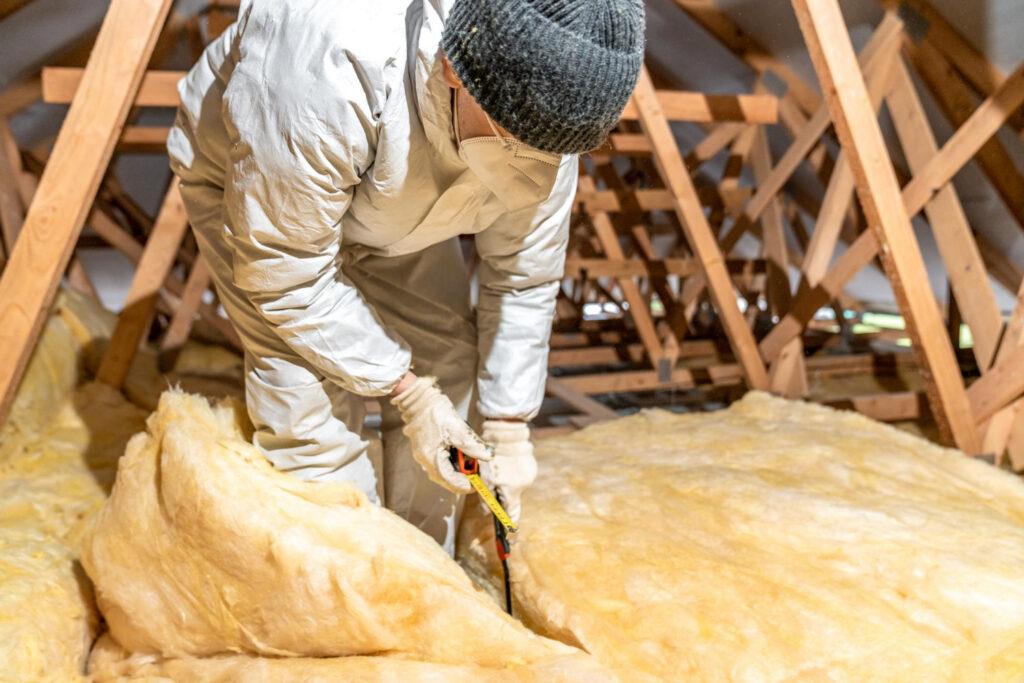
Attic insulation can make a noticeable difference when Michigan’s cold weather settles in. Heat naturally rises, and when an attic is under-insulated or full of gaps, expensive warmed air can escape through the ceiling. That can leave your furnace working harder while some rooms still feel chilly.
We often hear about cold upstairs bedrooms, uneven temperatures, drafts near ceiling fixtures, ice dams, and winter utility bills that seem higher than expected. These signs do not always point to insulation alone, but they are good reasons to have the attic checked. At 1 American Smart Energy, we help qualifying households understand options for attic assessments, insulation upgrades, rebates, and paperwork. Below, we cover Michigan attic R-value guidance, planning costs for a 2,000-square-foot attic, and available utility rebates.
What R-Value Does A Michigan Attic Need?
Most Michigan homes should aim for attic insulation between R-49 and R-60. The right target depends on your home’s location, attic layout, and how much insulation is already in place. Detroit and much of Michigan sit in a cold climate area, where a higher attic R-value can help hold heat inside during the heating season.
An R-value measures how well insulation resists heat flow. A higher number means greater resistance to heat moving through the ceiling into the attic. However, insulation depth alone does not tell the whole story. Fiberglass and cellulose need different depths to reach the same R-value, and old material may be compressed, damp, damaged, or uneven.
It also helps to separate recommended insulation levels from building code requirements. New construction and major renovations may need to meet current local code rules. Existing homes may not be required to upgrade, but adding insulation toward the R-49 to R-60 range can still be a smart improvement. We recommend confirming local requirements with your building department or a qualified contractor, since rules may differ by municipality and can change.
Before new material goes in, a professional assessment should look for:
- Existing insulation depth and condition
- Compressed, settled, wet, or damaged insulation
- Air leaks around wiring, plumbing, lights, and attic hatches
- Ventilation concerns and blocked soffit areas
Blown-in attic insulation in Detroit can be especially helpful when an attic has lots of joists, wiring, or uneven areas. It can provide more even coverage across the attic floor than insulation that leaves gaps around obstacles.
How Much Does It Cost To Insulate A 2,000-Square-Foot Attic?
For a straightforward blown-in insulation project, insulating a 2,000-square-foot attic commonly costs about $2,000 to $5,000. That is a planning range, not a fixed quote. The final amount can vary a great deal based on attic conditions, the insulation material, the desired R-value, labor needs, and how easy the space is to access.
A written estimate following an attic assessment is more useful than a one-size-fits-all price. Some attics need only added insulation, while others need work completed first to address leaks, moisture, pests, ventilation, or old material.
Several details can affect the final project cost:
- Whether existing insulation needs removal
- How much usable insulation is already present
- Air sealing needs around attic openings and penetrations
- Limited access, ductwork, or other obstructions
- Moisture damage, roof leaks, or pest concerns
- The final R-value you want to reach
Adding insulation to an open, accessible attic is often simpler than correcting ventilation problems or removing contaminated insulation. Blown-in fiberglass or cellulose is frequently a practical choice for large attic floors because it can be installed across open areas and around framing.
The lowest estimate is not always the best value. A complete scope should address whether air sealing, proper baffles, depth markers, ventilation checks, and rebate paperwork are included. Missing those details can affect both comfort and eligibility for incentives.
What Michigan Insulation Rebates Are Available?
Michigan insulation rebates may be available through your utility provider. For 2026, DTE Energy’s insulation rebate is set at $600, while Consumers Energy offers insulation rebates of up to $475. Incentive amounts, deadlines, contractor rules, and qualifying measures can change, so we recommend verifying program details before work begins.
Rebate programs often have specific requirements. You may need an active utility account, qualifying insulation materials, a minimum performance level, and itemized invoices. Some programs also ask for product details, post-installation verification, or paperwork submitted within a set time period.
Before approving any insulation work, review whether the program requires:
- Preapproval before installation
- A participating or approved contractor
- Specific insulation R-values or material types
- Photos, receipts, invoices, or proof of payment
- Post-installation inspection or verification
Income-qualified households may have additional options beyond standard utility rebates. We help eligible Michigan households explore free or low-cost energy-efficient improvements that may include attic insulation, air sealing, furnaces, and water heaters. Assistance is not automatic, so an assessment is the best way to learn which programs may apply and whether incentives can be combined.
Why Detroit Attic Insulation Pays Off
Early fall is a sensible time to look at attic conditions. An assessment before winter can reveal where heat is escaping before cold temperatures arrive and contractor schedules fill up during the heating season.
Comfort matters just as much as monthly energy use. Proper insulation and air sealing can help reduce drafts, steady temperatures in upstairs rooms, and limit heat loss through ceilings. It may also help reduce the conditions that contribute to ice dams, especially when insulation is paired with proper ventilation and moisture control.
During a professional attic assessment, we may review insulation levels, gaps around attic penetrations, ventilation pathways, moisture concerns, and the amount of insulation needed for a better R-value. Older homes can benefit greatly from this closer look because attic insulation may have settled, shifted, or become uneven over time.
Schedule Your Attic Assessment Before Cold Weather
Before winter bills begin to rise, gather a few recent utility bills and make note of rooms that feel colder than the rest of the house. Ask for an attic evaluation that includes insulation depth, air sealing needs, and ventilation conditions, not just a quick look at the insulation surface.
Your best upgrade plan depends on your current R-value, attic size, existing insulation condition, and utility provider. Confirming eligibility for the 2026 DTE rebate of $600 or the Consumers Energy rebate of up to $475 before work begins can help you make a more informed decision.
Improve Comfort With Professional Attic Insulation
At 1 American Smart Energy, we help homeowners choose blown-in attic insulation in Detroit that supports lasting comfort and energy efficiency. Our team can assess your attic and recommend an installation approach suited to your home. Contact us to schedule an insulation consultation and get clear answers about your options.