Stay Warm Below Zero with a Cold-Climate Heat Pump
Yes, a properly selected cold-climate heat pump can keep a Michigan home warm when temperatures fall below zero. The catch is that the model, system size, installation quality, home efficiency, and backup heat plan all need to fit your house.
As you plan for the coming heating season, it helps to understand the full picture. Heat pumps provide both heating and cooling, can reduce reliance on fossil-fuel equipment, and may qualify for Michigan heat pump rebates. We’ll cover how they handle winter weather, what backup heat does, and how rebate programs can affect your upfront investment.
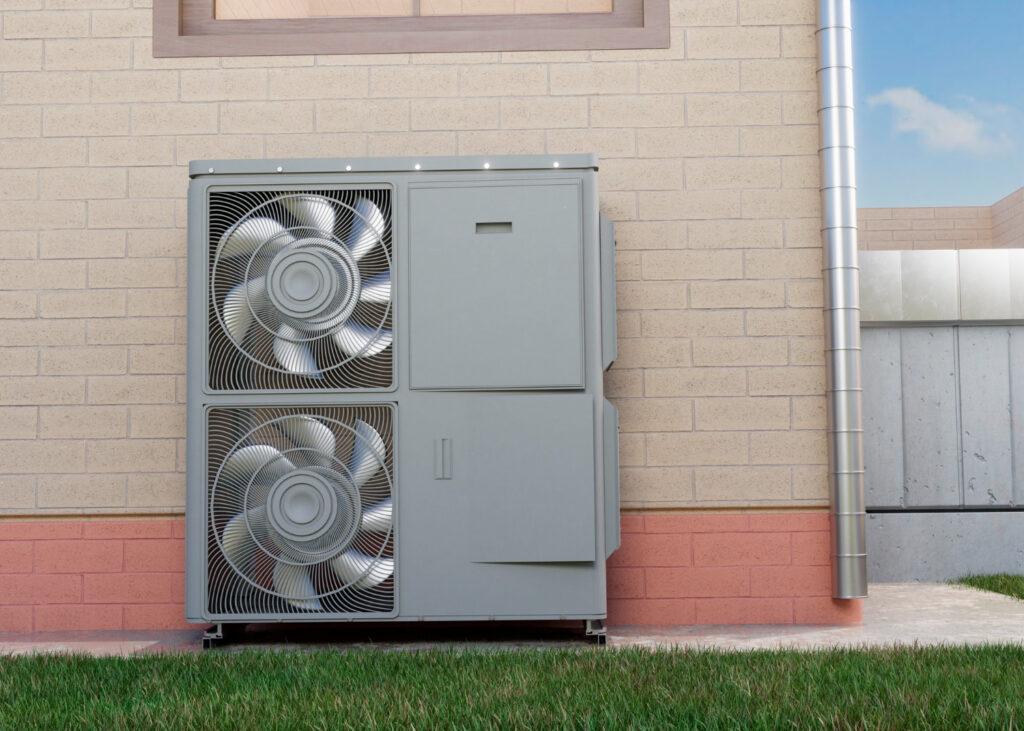
Cold-Climate Heat Pumps Keep Working Below Zero
Older heat pumps earned a reputation for struggling in cold weather. Today’s cold-climate models are built differently. They can pull usable heat from outdoor air at much lower temperatures than many earlier systems could handle.
That does not mean every heat pump performs the same way. A standard model may be a better fit for mild weather, while a cold-climate system is designed with Michigan winters in mind. Even a cold-climate unit will produce less heat and work less efficiently as the outdoor temperature drops. “Working below zero” means it can still provide heat, not that it performs exactly as it would on a 35-degree day.
When we review equipment options with you, we recommend looking beyond a model name or a general efficiency label. Manufacturer specifications can show how much heating capacity a unit delivers at 5 degrees Fahrenheit and at lower tested temperatures. Those details matter far more than broad promises about winter performance.
During ordinary cold weather, a correctly sized cold-climate heat pump may meet most or all of your home’s heating needs. During a long stretch of extreme cold, backup heat may help carry the load. That is a comfort and resilience feature, not a sign the heat pump has failed.
Right Sizing and Backup Heat Protect Winter Comfort
The best equipment cannot make up for poor system design. Before recommending a heat pump, we look at how your home loses heat, including insulation, air leakage, room-by-room heating needs, and ductwork condition. A system that is too large can turn on and off too often. One that is too small may depend on backup heat more than necessary.
Whole-home efficiency work can make a meaningful difference. When less heat escapes through an attic, exterior gaps, or leaky ducts, the heat pump has a smaller job during a cold snap. That can improve comfort while helping the system run more steadily.
Common backup arrangements include:
- Electric resistance heat strips with a fully electric heat pump
- A dual-fuel setup that pairs a heat pump with a gas furnace
- An existing compatible furnace used during the coldest conditions
- Controls that switch heat sources at a selected outdoor temperature
The right choice depends on your home’s heat loss, current equipment, electric and gas costs, and available incentives. We evaluate insulation, air sealing, and heating options together because these choices affect one another.
Michigan Heat Pump Rebates Through MiHER and Utilities
Michigan Home Energy Rebates, often called MiHER, may be an important source of help for qualifying households. Incentives can depend on household income, the equipment selected, the type of project, available program funds, and whether the upgrade is part of a larger energy-efficiency plan.
Utility programs may also offer heat pump rebates in Michigan. Depending on the program, qualifying improvements can include high-efficiency heat pumps, smart thermostats, weatherization work, or dual-fuel equipment. Each utility may set its own rules for approved equipment, participating contractors, applications, and deadlines.
Some households may be able to combine support from more than one source. Others may find that programs limit how the same project expense can be credited. Before moving forward, we recommend confirming:
- Current MiHER funding availability
- Income and household eligibility requirements
- Eligible equipment lists and installation rules
- Utility rebate amounts and application timing
- Whether rebates and tax incentives can be combined
Program details can change, and allocations may not last through the full heating-planning season. Early review gives you more time to understand your options before choosing equipment.
What a Heat Pump Project Can Include
Installed heat pump costs vary widely, so a home-specific assessment is more useful than a one-size-fits-all estimate. The project scope may be simple when existing ducts, electrical service, and indoor equipment are suitable. Other homes need added work before a heat pump can perform as intended.
A basic replacement using existing ductwork may include the outdoor unit, indoor equipment, controls, and professional installation. A more complete project may pair a cold-climate heat pump with attic insulation, air sealing, or duct repairs. An electrification-focused project can also involve electrical upgrades, a new air handler, or changes to backup heat.
Instead of treating rebates as a fixed discount, we encourage you to view the cost in layers:
- The quoted equipment and installation scope
- Eligible MiHER assistance, if available
- Available utility incentives
- Possible tax incentives, subject to current rules
- The remaining homeowner cost after approved support
Upfront cost is only part of the decision. Winter operating costs depend on your insulation, thermostat settings, electric rates, how often backup heat runs, and the efficiency of the equipment being replaced. We avoid promising the same savings for every home because Michigan houses, heating habits, and energy costs vary.
Check Eligibility Before Heating Season
Starting early can prevent surprises when fall demand picks up. Rebate pathways may require pre-approval, income verification, an energy assessment, qualifying equipment, and installation through a participating contractor. Waiting until a furnace problem becomes urgent can limit the time available to complete those steps.
A cold-climate heat pump can work in Michigan winters, including below-zero weather, when it is matched to the home and supported by a sound backup strategy. The smartest plan considers the heat pump, insulation, air sealing, ductwork, electrical needs, and current Michigan heat pump rebates as parts of one comfort system.
Get More Value From Your Heat Pump Investment
At 1 American Smart Energy, we help homeowners identify upgrades that support reliable comfort and long-term efficiency. See how Michigan heat pump rebates can fit into a whole-home improvement plan that addresses energy loss. For personalized guidance on your next steps, contact us today.